
A Young Cambodian’s Vision for Prosperity Begins With People
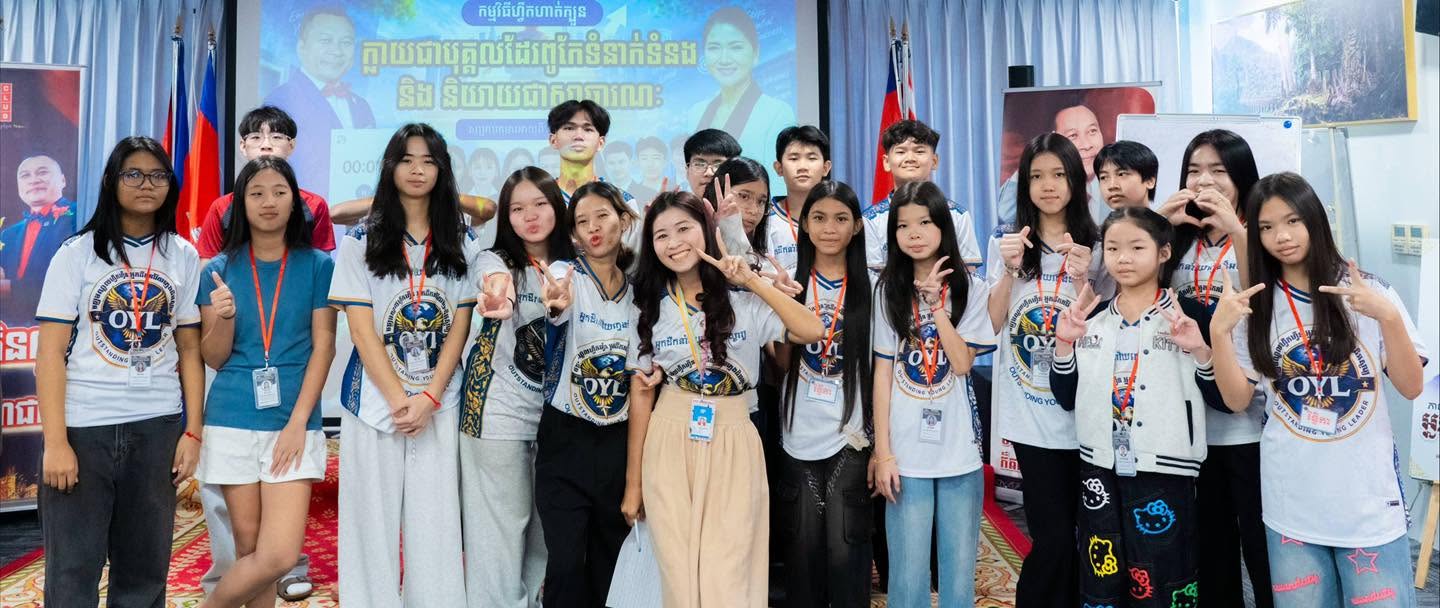
Seventeen-year-old CHEN Adoreta’s presentation at CEO Master Club connects education, entrepreneurship and integrity—and offers business owners a reason to reflect on how tomorrow’s leaders are prepared.
PHNOM PENH, Cambodia — When 17-year-old CHEN Adoreta was asked what she would do if she became prime minister, she began by inviting her classmates to consider a shared aspiration: a more prosperous Cambodia.
“Which of you would like Cambodia to become a wealthy country quickly?” she asked, inviting a show of hands before encouraging applause.
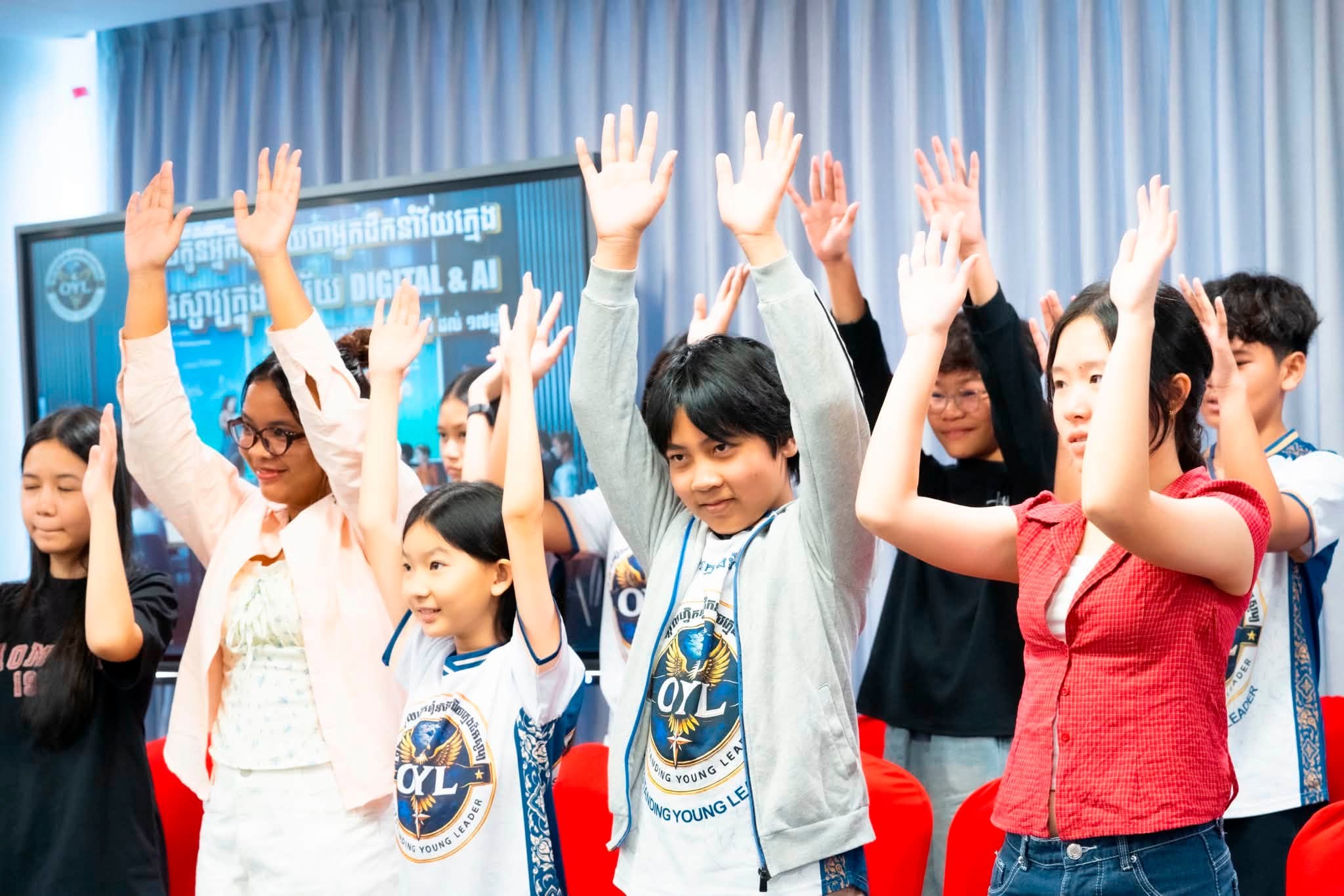
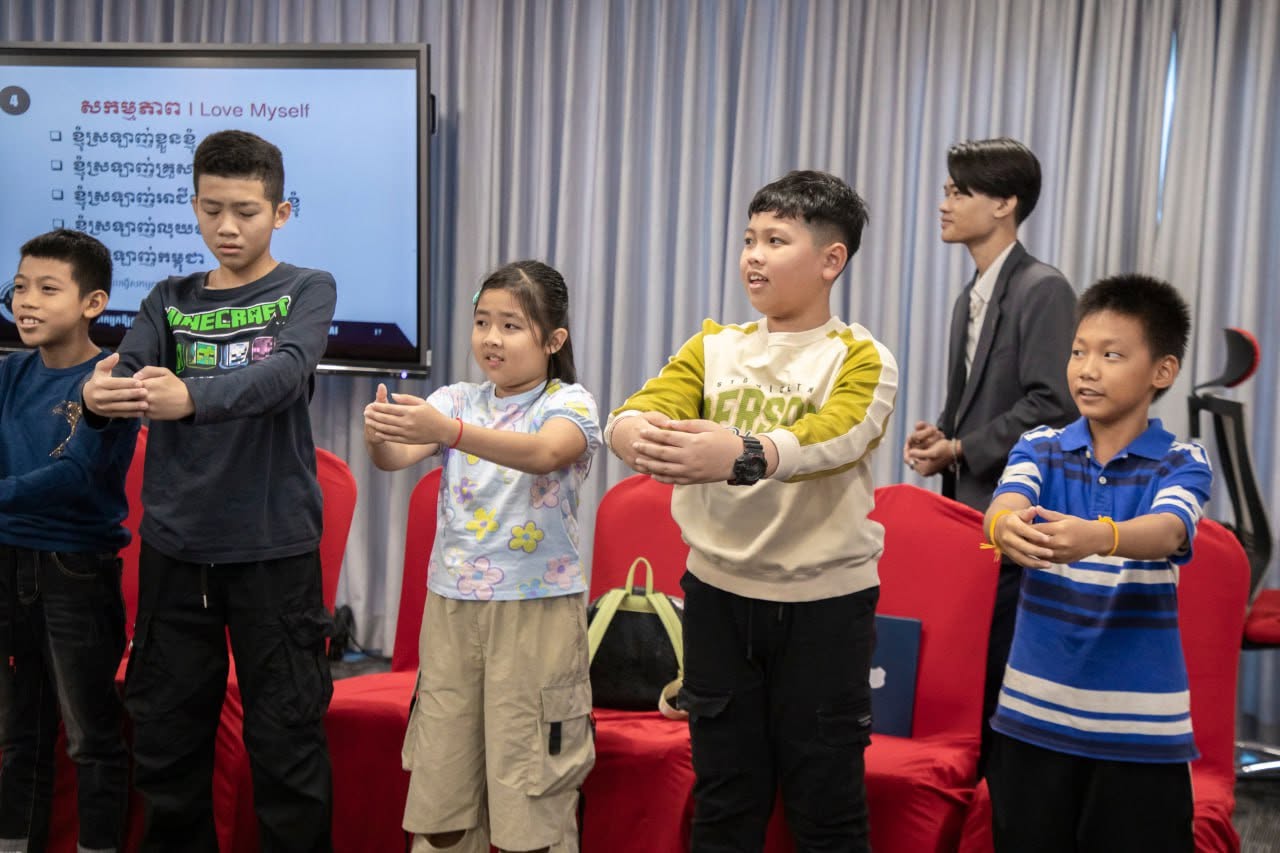
The question opened a presentation about education, employment, enterprise and public integrity. Speaking as a participant in the Outstanding Young Leader (OYL) coaching program at CEO Master Club of CEO Institute, Adoreta described a future in which stronger skills create better opportunities, businesses generate jobs, and honest institutions encourage investment.
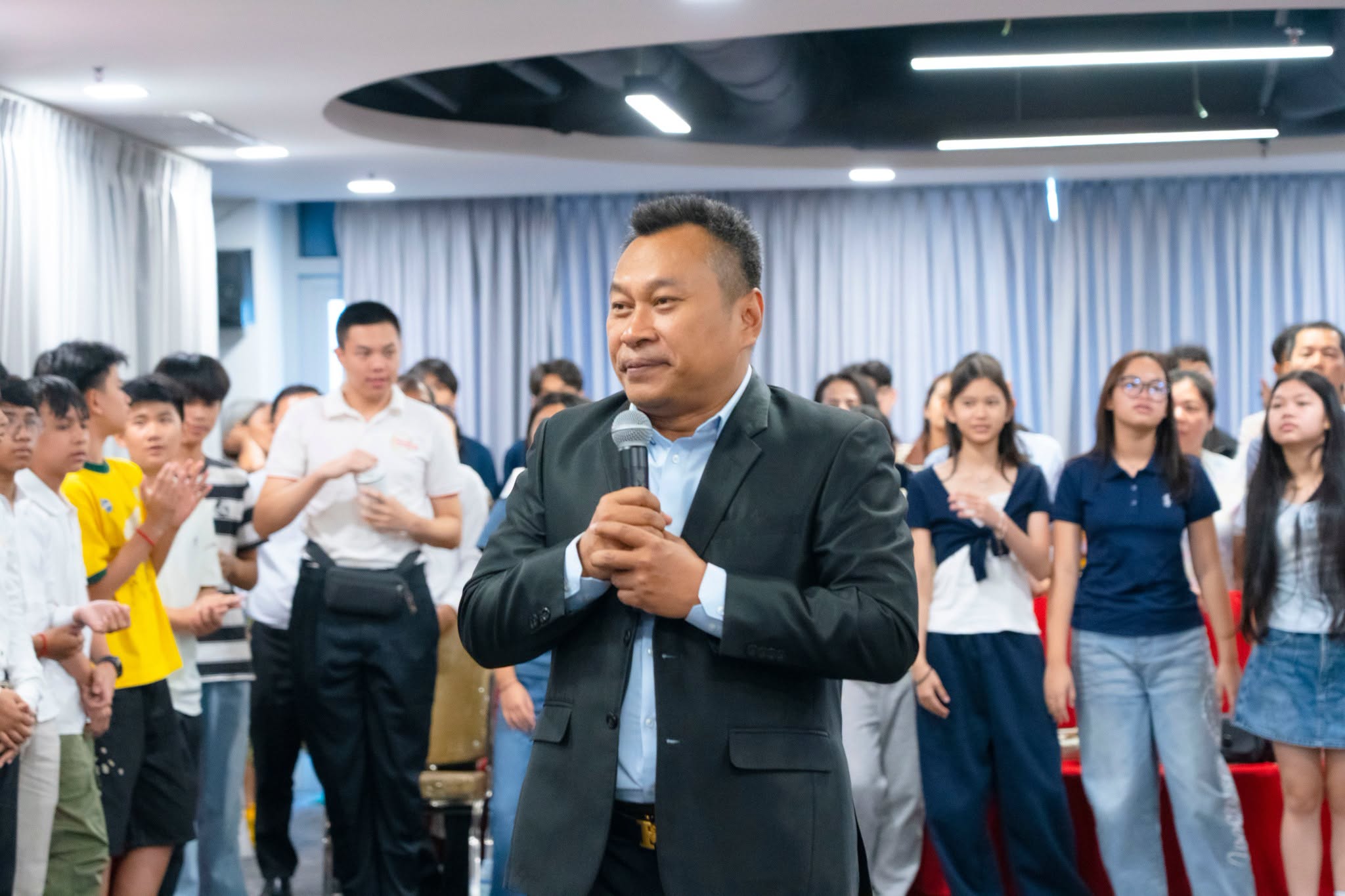
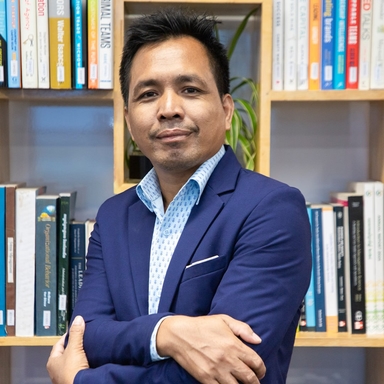
Her response grew from a leadership exercise led by Dr. Oum Seng Bora, founder of CEO Master Club, who challenged participants to answer: “If you were prime minister, what would you do for your country?”
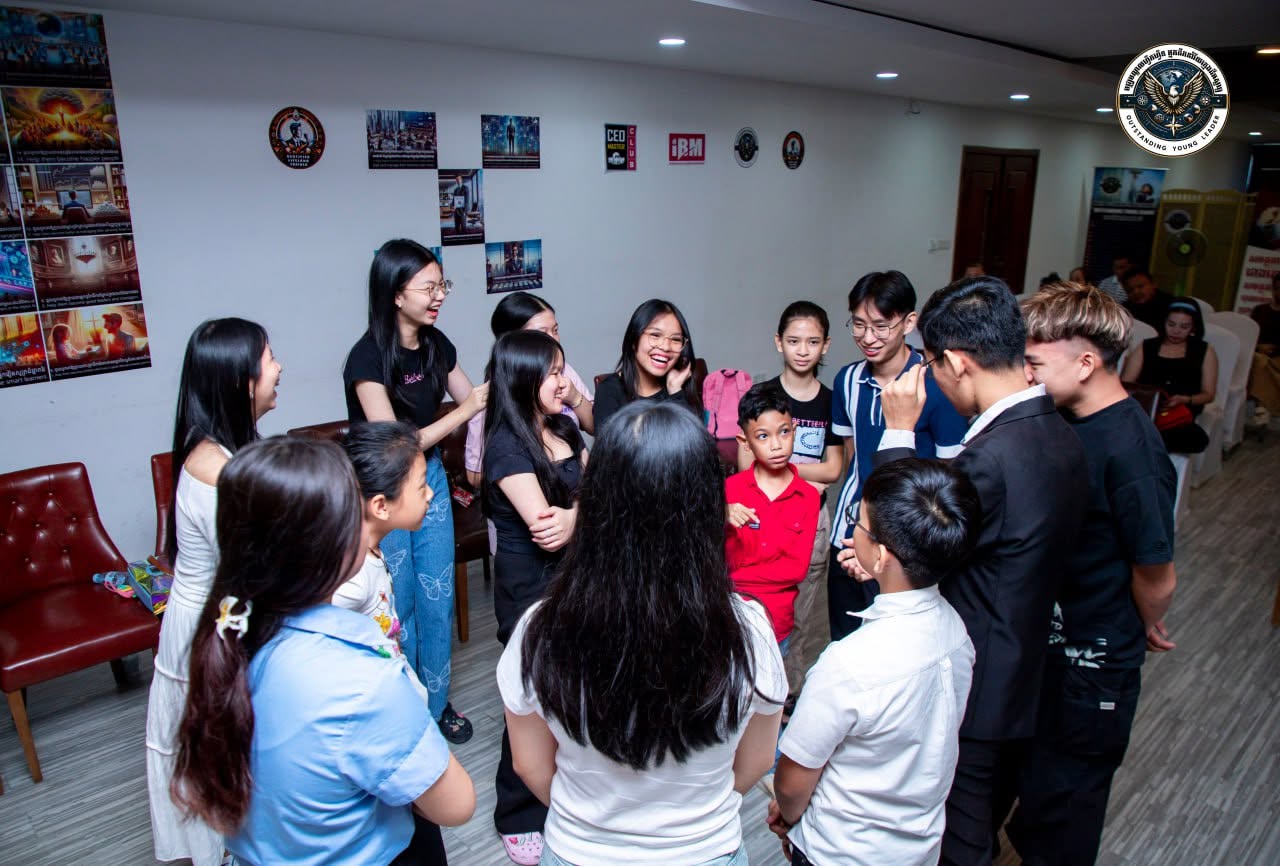
For Adoreta, the answer began with developing people.
“To become a wealthy country, we need strong human resources,” she explained in remarks translated from Khmer.
She argued that strengthening education and helping young people and citizens acquire clear, practical skills should be central priorities. Better education and greater professional competence, she reasoned, could help people increase their earning potential and contribute more effectively through their work.
Her message carries particular relevance for Cambodia’s small business owners. Every enterprise depends on people who can solve problems, communicate clearly, make sound decisions and carry out their responsibilities. A business owner’s investment in those abilities can influence the quality of service customers receive and the opportunities employees have to advance.
Adoreta’s presentation brought that connection into focus: the development of a country and the development of its businesses both depend, in part, on what people are equipped to do.
Connecting National Ambition With Everyday Life
Beyond education, Adoreta proposed expanding exports of Cambodian products. She believed that reaching more international markets could bring additional income into the country and create opportunities for domestic producers.
She also addressed expenses that affect everyday life, suggesting reductions in electricity and routine transportation costs to ease pressure on household budgets.
These proposals reflected an effort to connect a broad ambition—national prosperity—with practical concerns. Learning, earning, producing and spending were all part of her answer.
For entrepreneurs, those connections are familiar. The cost of operating a business affects its ability to grow. Access to customers influences what it can sell. The capabilities of its workforce shape what it can deliver.
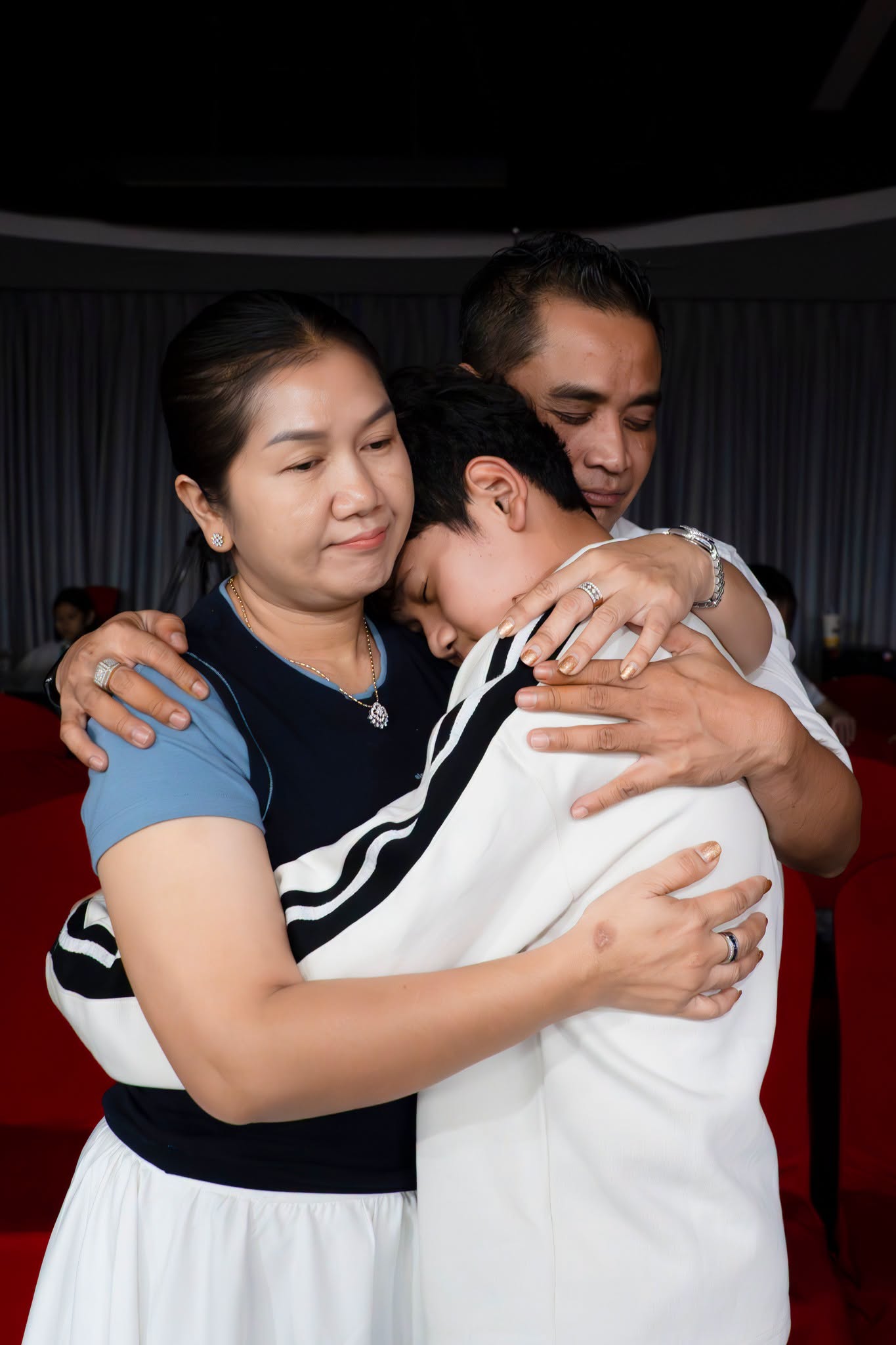
A classroom exercise cannot resolve these complex challenges, but it can give a young person an opportunity to begin examining them, explaining priorities and considering how decisions affect others.
Recognizing the Value of Businesses of Every Size
One of the clearest themes in Adoreta’s presentation was her support for entrepreneurship.
She expressed a desire to help businesses, whether small or large, explaining that more enterprises could create more jobs and benefit more people.
For a small business owner, that recognition is meaningful. A modest enterprise can support a family, provide a first job, purchase from local suppliers and help an employee develop useful skills. Its contribution extends through the people connected to it.
Adoreta’s remarks also highlighted integrity. She said she wanted Cambodia to become a country without corruption, which she believed would help attract more domestic and international investors.
Her presentation therefore connected economic opportunity with responsibility: developing skills, supporting productive activity and building confidence through honest conduct.
She concluded by thanking her teachers and classmates for listening and wishing them happiness and well-being—a respectful ending to an exercise that asked her to think about the welfare of others.
A Question for Business Owners—and for Parents
For parents, particularly those who have worked hard to build a business, Adoreta’s presentation invites reflection on what it means to prepare a child for the future.
Academic achievement matters. So do the abilities to express an idea, listen to others, examine a problem and accept responsibility for a decision.
Those qualities also matter in business succession. A young person who may one day help manage a family enterprise will need to understand employees, customers and the consequences of leadership choices. Creating opportunities to practice thoughtful communication and independent judgment can be part of that preparation.
The exercise described in Adoreta’s testimony offered one such opportunity. She was asked to move beyond personal ambition and consider what she would do for an entire country.
Her response does not establish the long-term outcomes of a training program. It does, however, provide a concrete example of a participant engaging with questions of leadership, public service and economic opportunity.
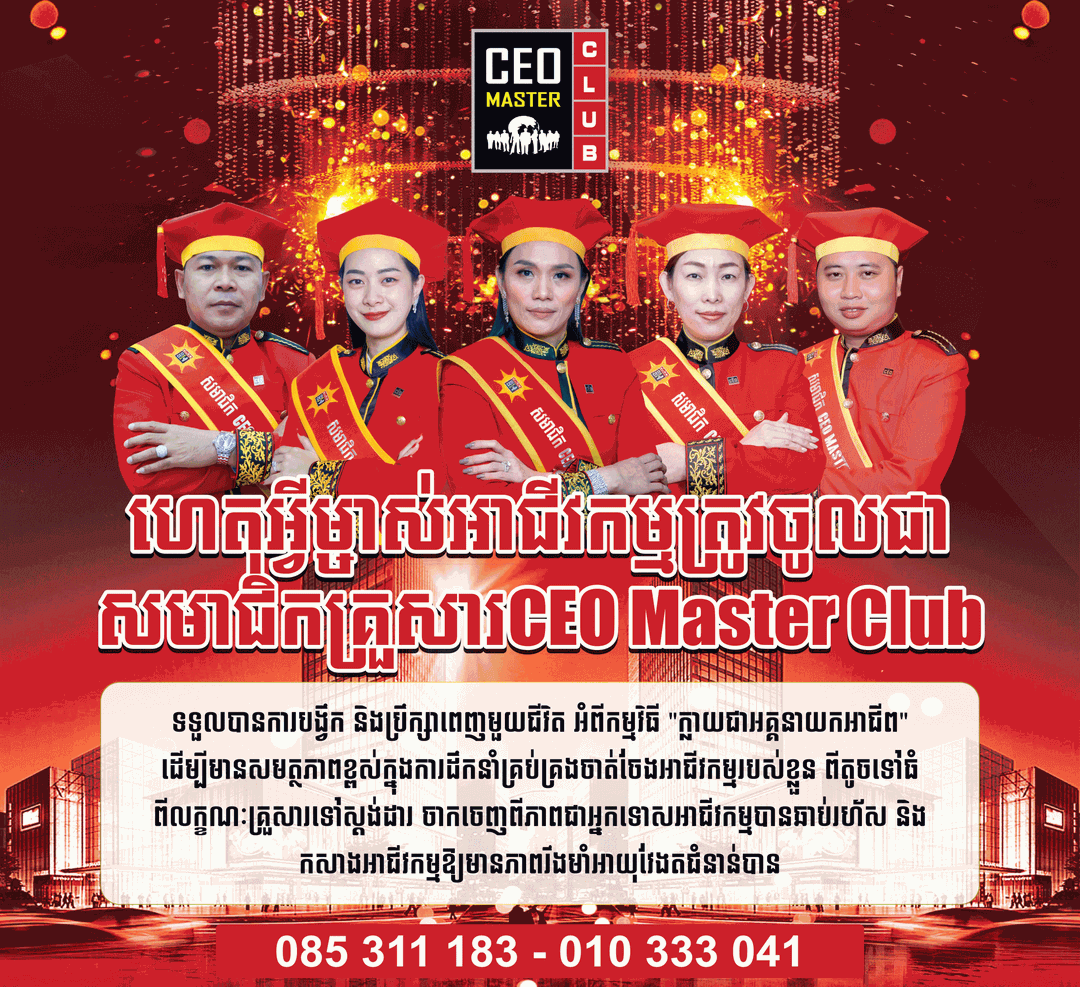
For business owners exploring CEO Master Club of CEO Institute’s membership and business training, it offers a starting point for learning more about the institution’s approach and considering how leadership development might serve their own goals and their families’ aspirations.
Preparing People Who Can Build What Comes Next
At the heart of Adoreta’s vision was a straightforward belief: a stronger Cambodia requires more capable people.
That belief reaches into classrooms, workplaces and homes. It asks business owners to consider how they develop their teams. It asks parents to consider how they encourage their children’s judgment and confidence. And it asks young people to recognize that their education can become a resource for others.
At 17, CHEN Adoreta was invited to imagine leading her country. Her answer returned repeatedly to giving people the skills and opportunities to improve their lives.
For families thinking about the future, that is a conversation worth beginning today.
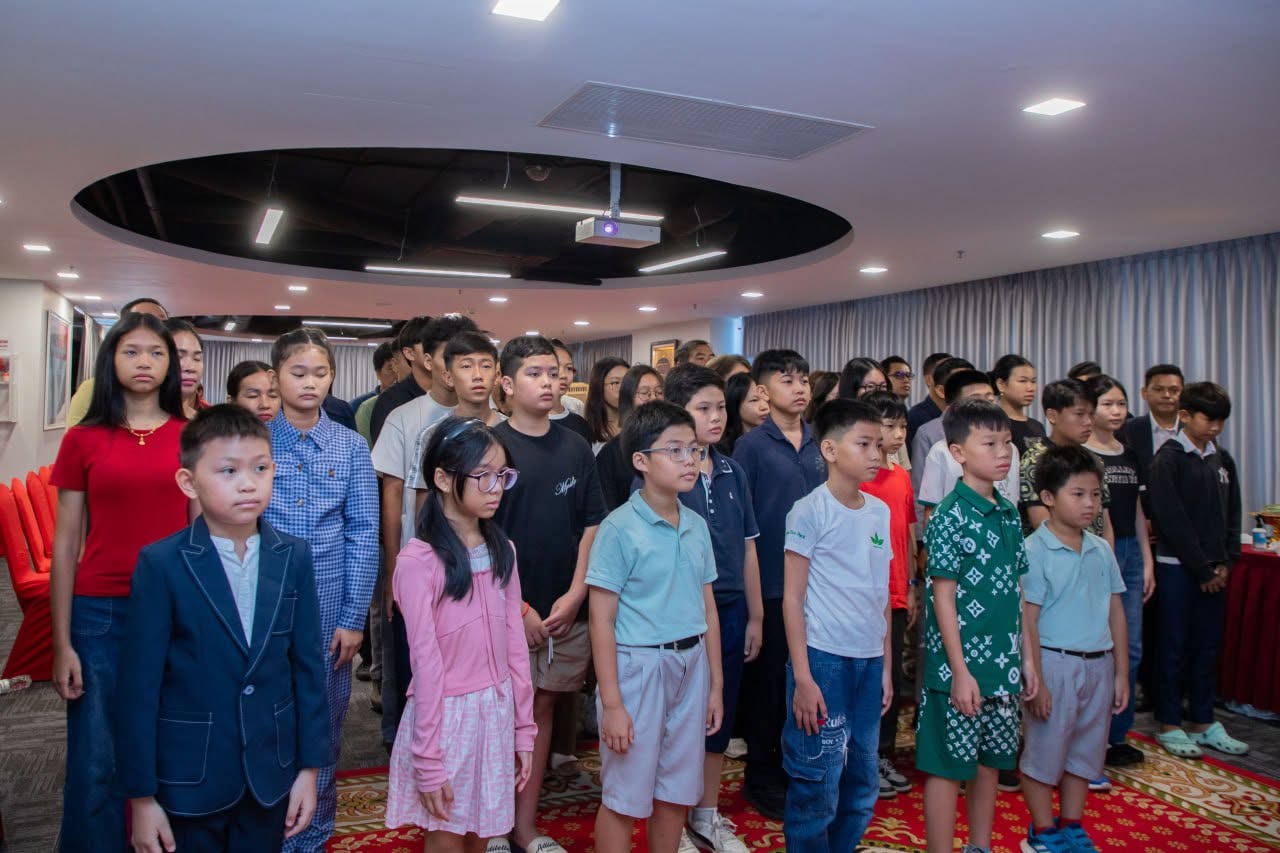
Parents interested in the Outstanding Young Leader program can learn more or inquire about registration through the official OYL Telegram channel. Business owners may also ask how to obtain information about CEO Master Club membership and business training.
Training location: Diamond Twin Tower, Floor 7M, Koh Pich, Phnom Penh.
អត្ថបទថ្មីៗ