
Leadership Begins With Yourself
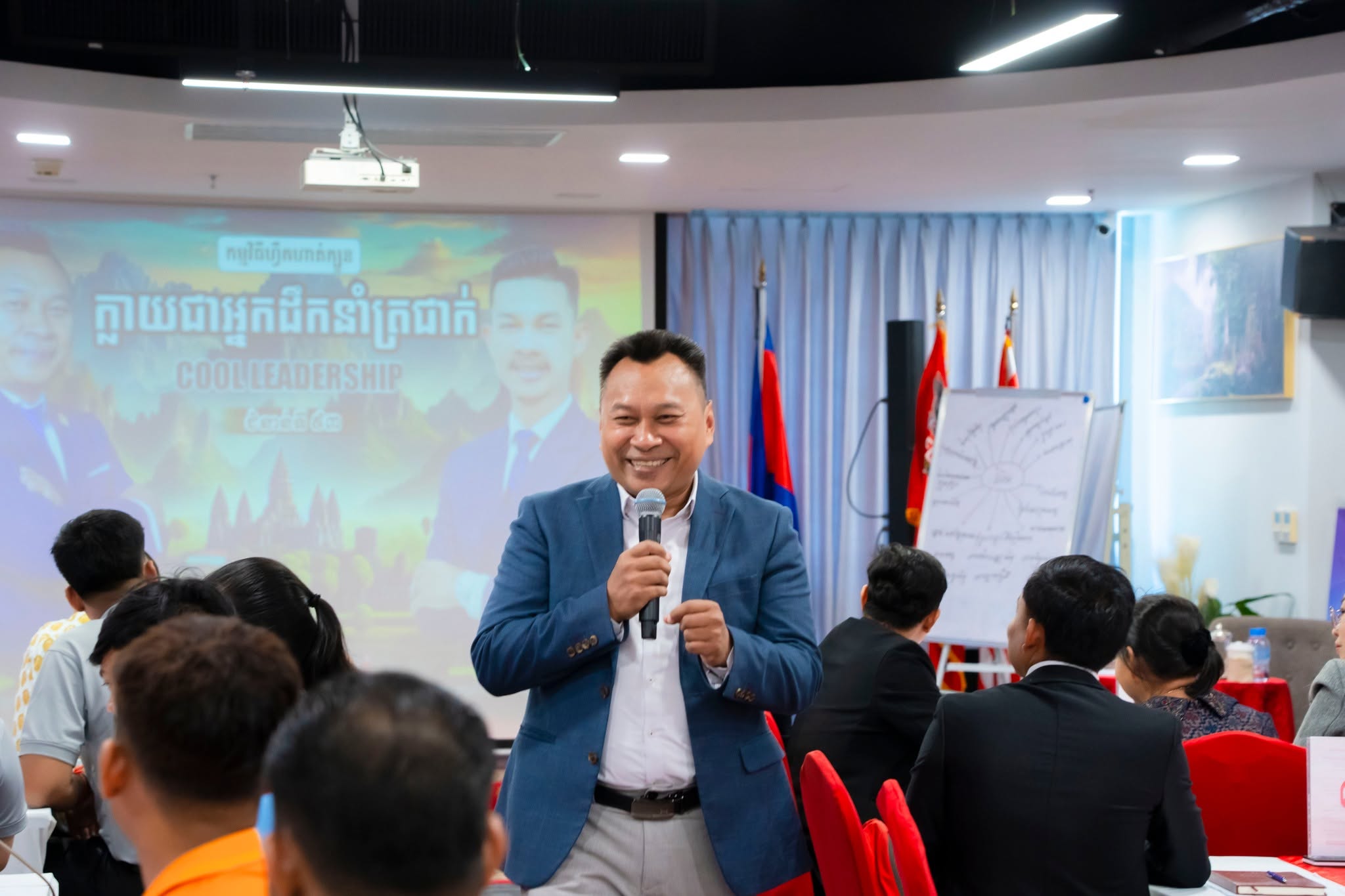
Her Excellency Nov Sonita’s reflections on Cool Leadership offer Cambodian business owners a reminder that personal growth becomes meaningful when it changes everyday actions.
A business owner can spend an entire day solving problems and still leave one important question unanswered: How am I contributing to the problems I want to solve?
It is an uncomfortable question. When a team falls short, frustration comes easily. When a conversation goes badly, it can feel natural to blame the other person. Under pressure, assumptions can become judgments, and judgments can become habits that shape the atmosphere of an entire workplace.
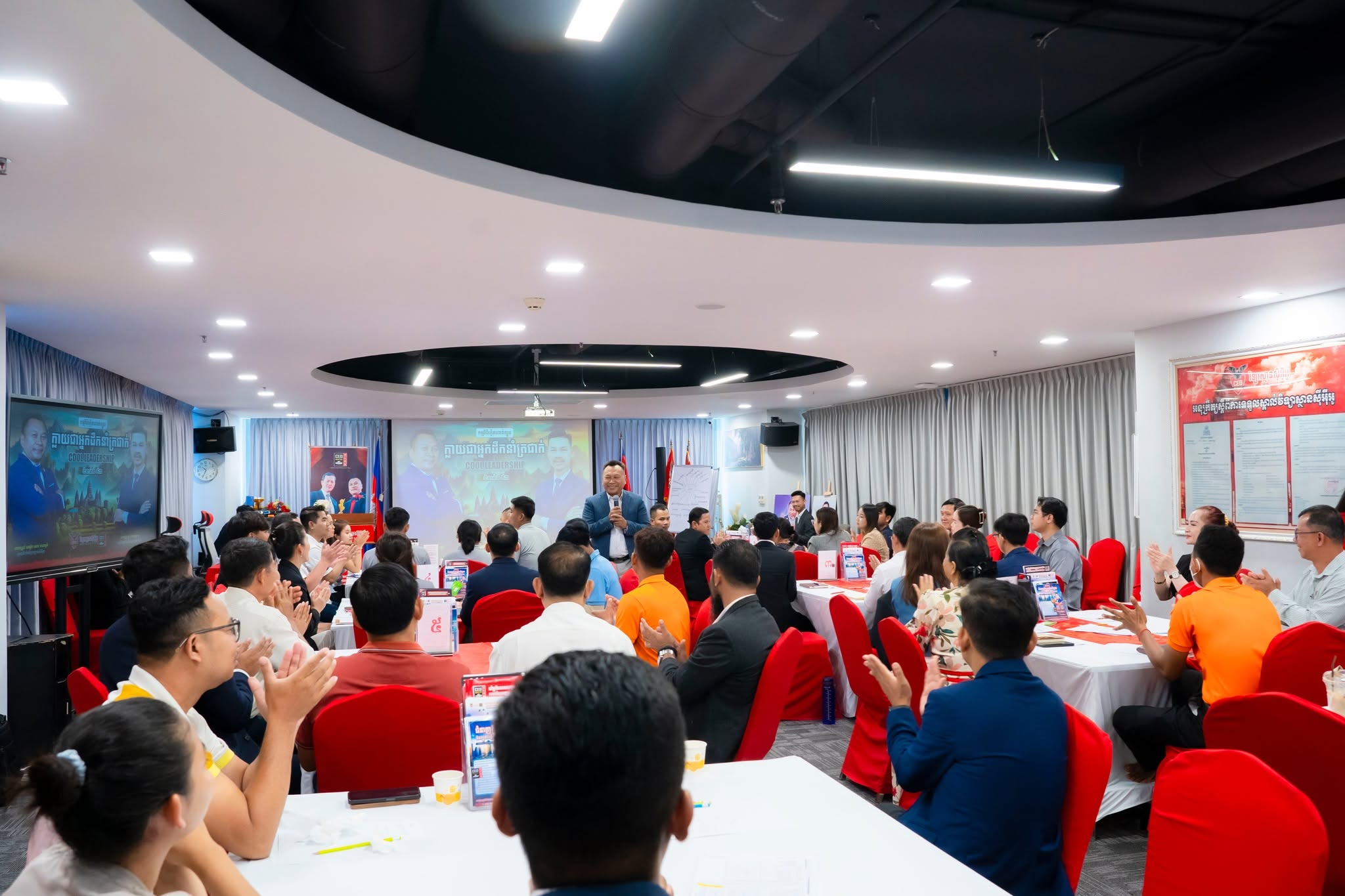
Learning to recognise those habits is part of becoming a more capable leader. For Her Excellency Nov Sonita, Vice President of the Khmer Artists Association, attending CEO Master Club of CEO Institute opened a space for that kind of reflection.
Her interest began long before she entered the classroom.
“Just hearing the name CEO Master Club made me want to study there,” she recalled.
Work, family responsibilities, and daily commitments had delayed her participation—an experience many small business owners will recognize. There is always something urgent to finish, someone who needs an answer, or another responsibility competing for attention.
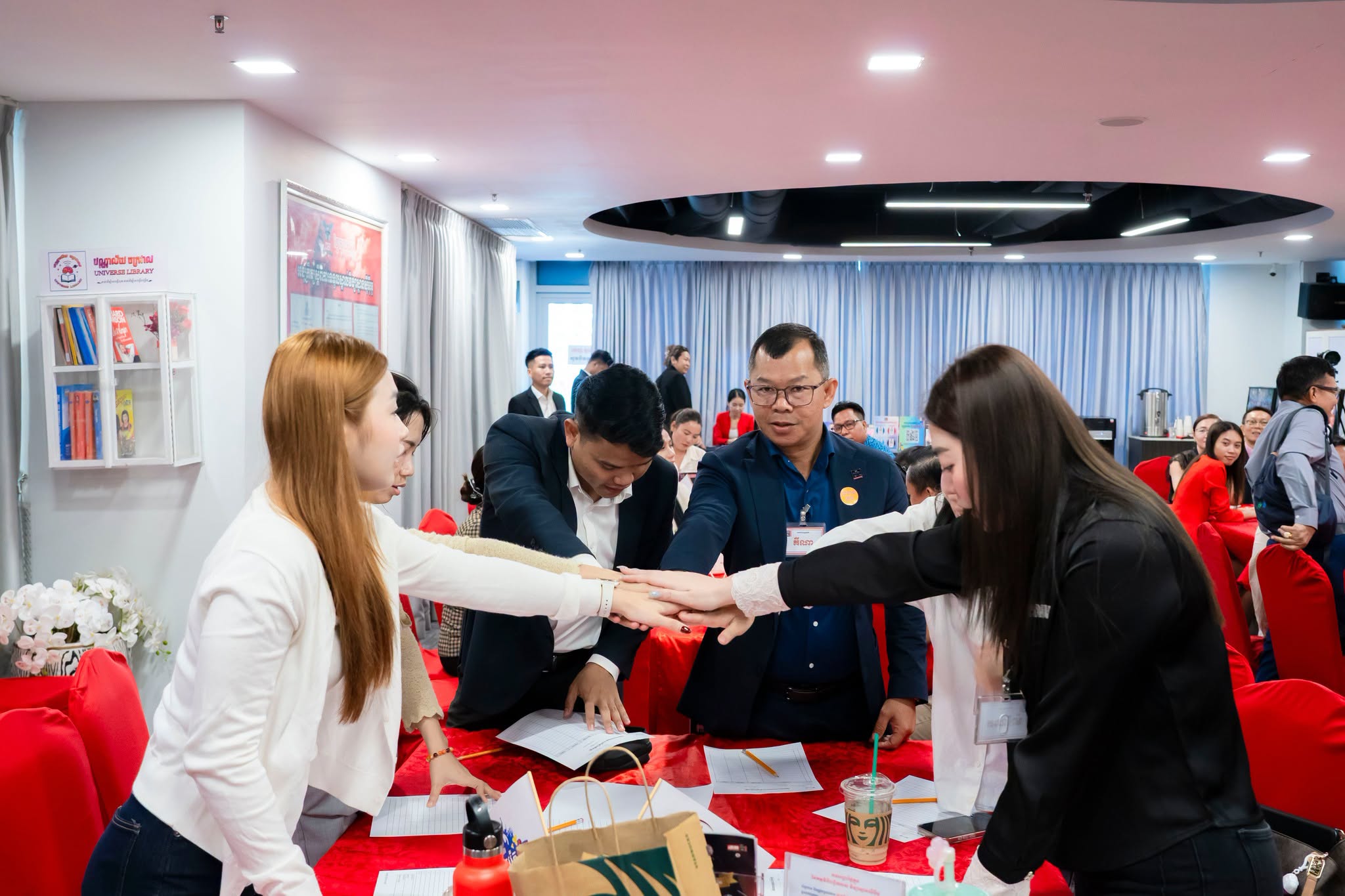
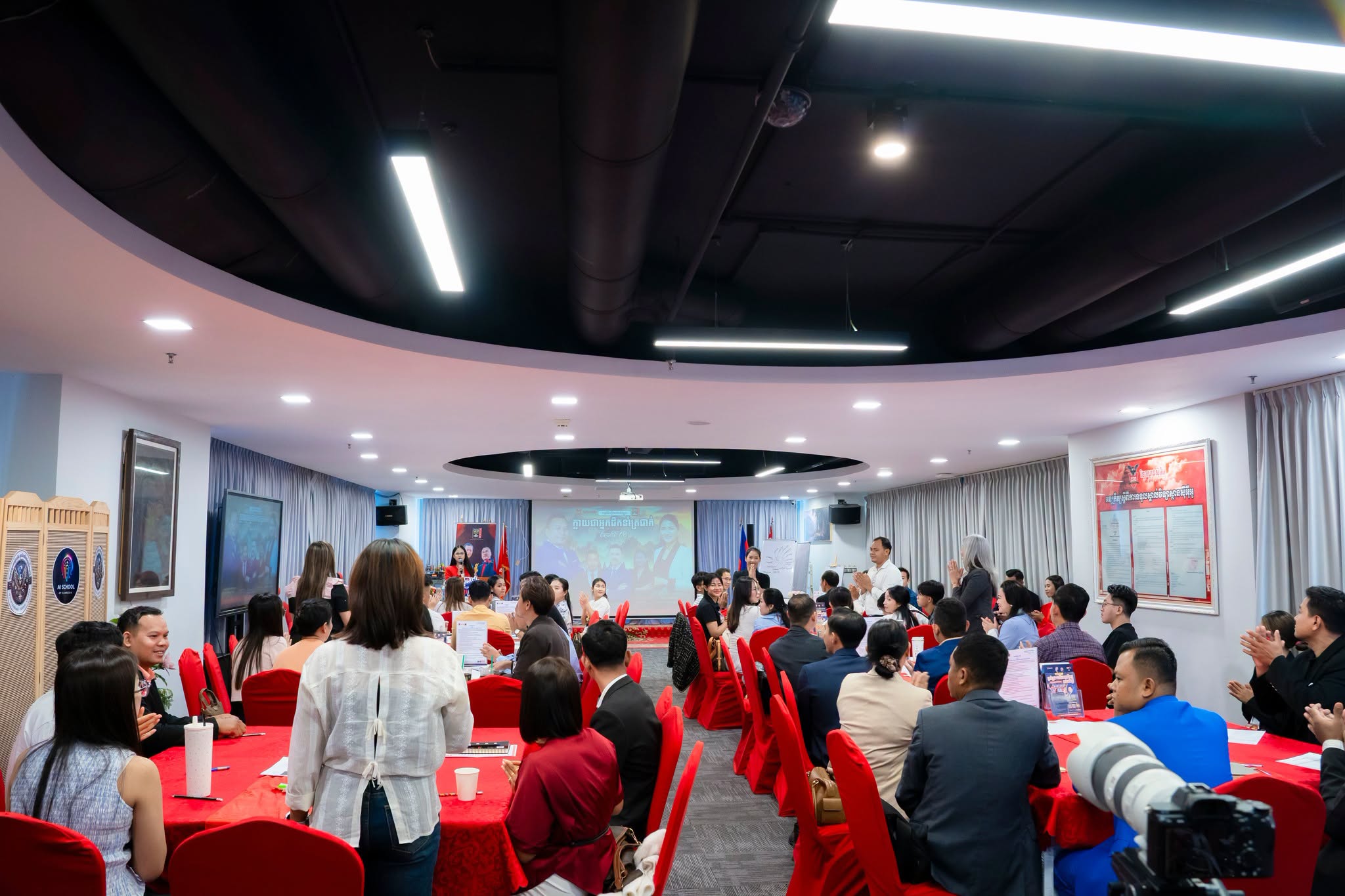
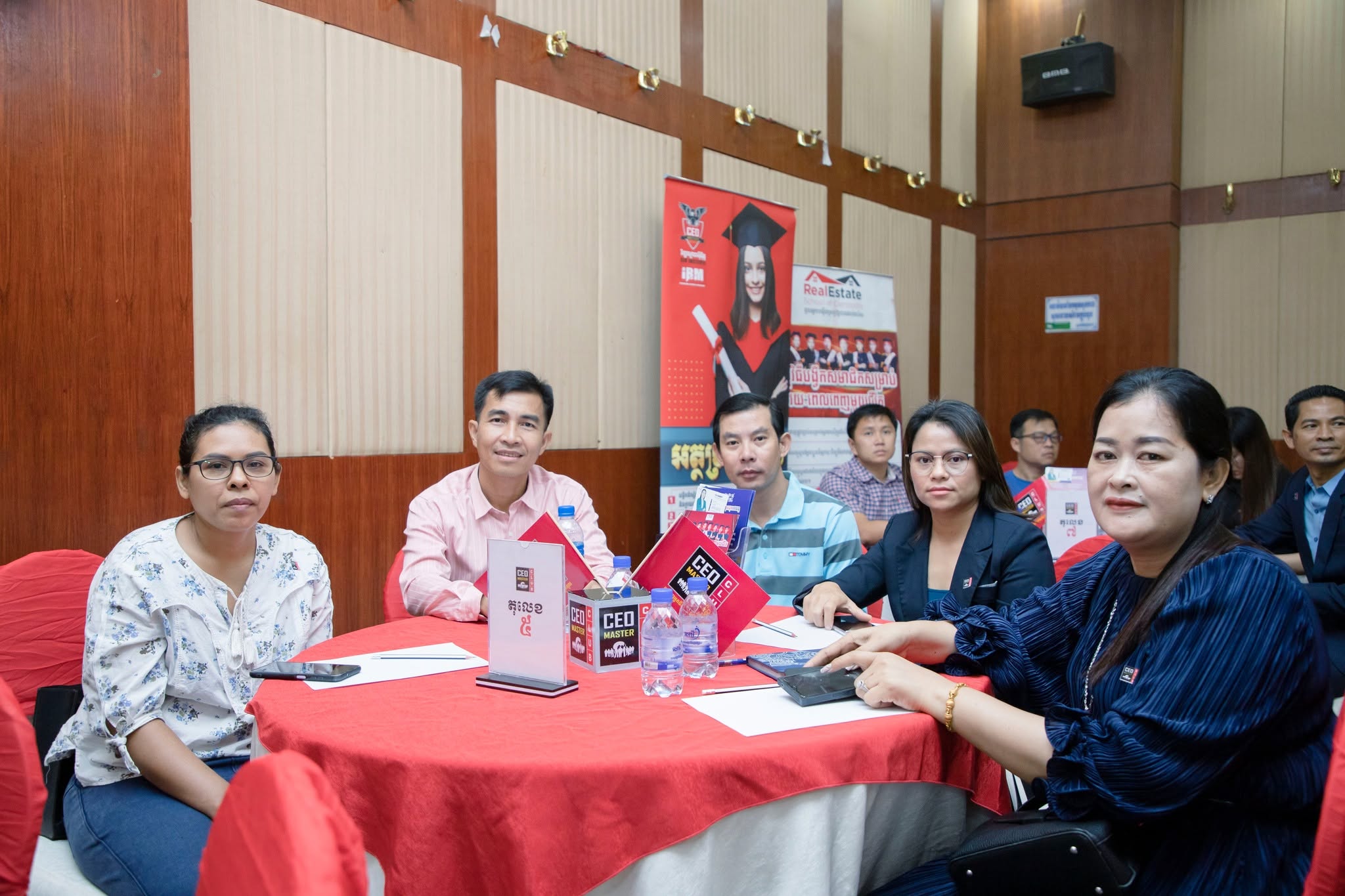
Eventually, she made time to attend the Cool Leadership skills program, presented by CEO Master Club as one of its 12 core training programmes supporting business owners in developing as professional CEOs and capable entrepreneurs.
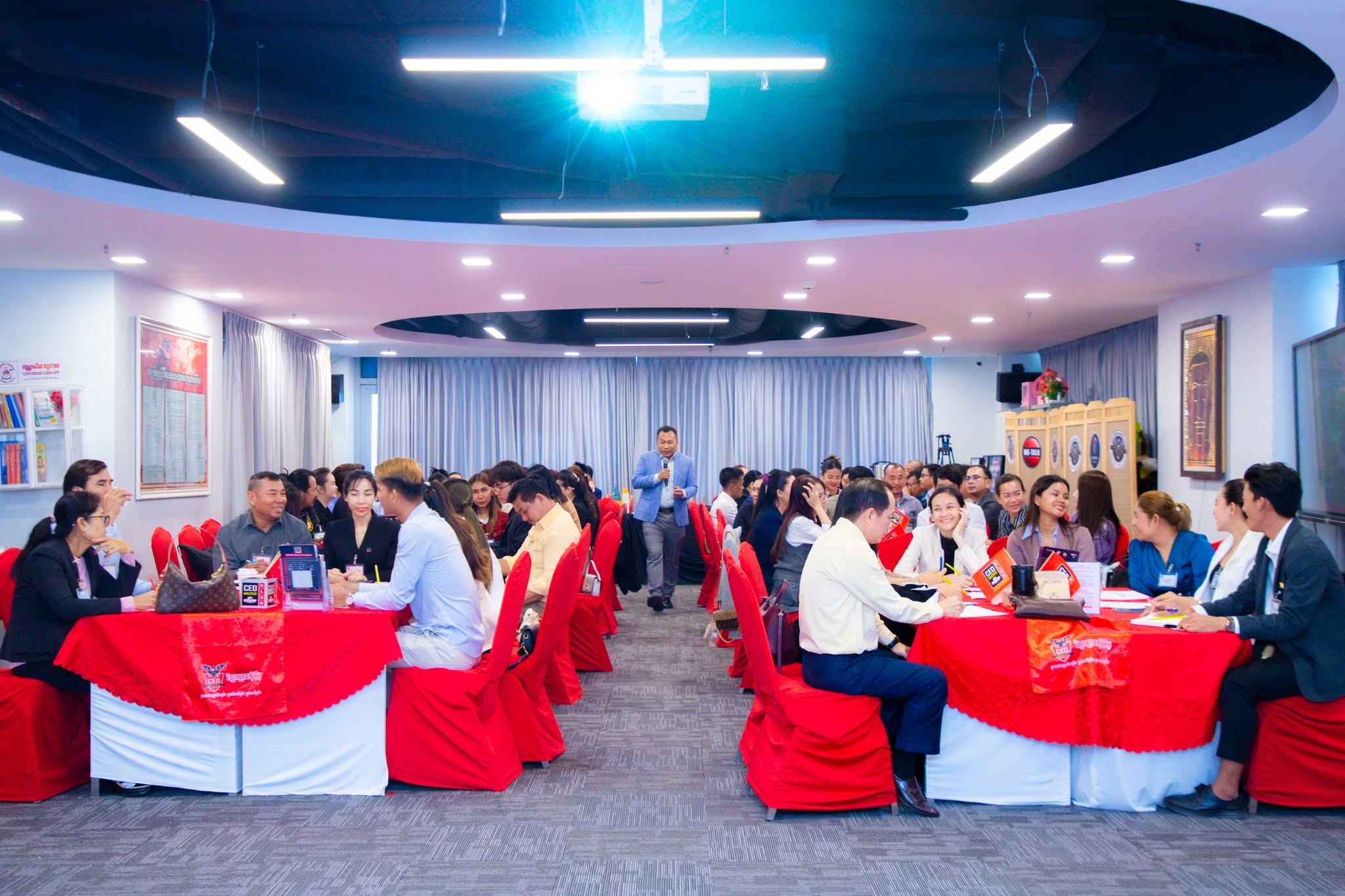
She also recognized that attending required commitment: making room in her schedule, respecting the school’s discipline, and arriving ready to learn.
Her first challenge was a familiar human one. She did not know the other participants.
Initially, she felt shy among business owners from different companies. Yet, after approximately half a day, that discomfort began to ease. She described feeling closer to the trainers and classroom team, connecting with fellow members, and becoming happier and more engaged in the learning process.
That change mattered because it helped her listen and absorb the teaching more clearly. Her account highlights the value of a learning environment where people feel comfortable enough to participate and examine their own behavior.
For an owner accustomed to carrying responsibility, entering a classroom can be a valuable act of humility. It creates an opportunity to ask questions, hear other perspectives, and discover that others are working through challenges of their own.
But the strongest message in Sonita’s testimony concerns what happens after the lesson.
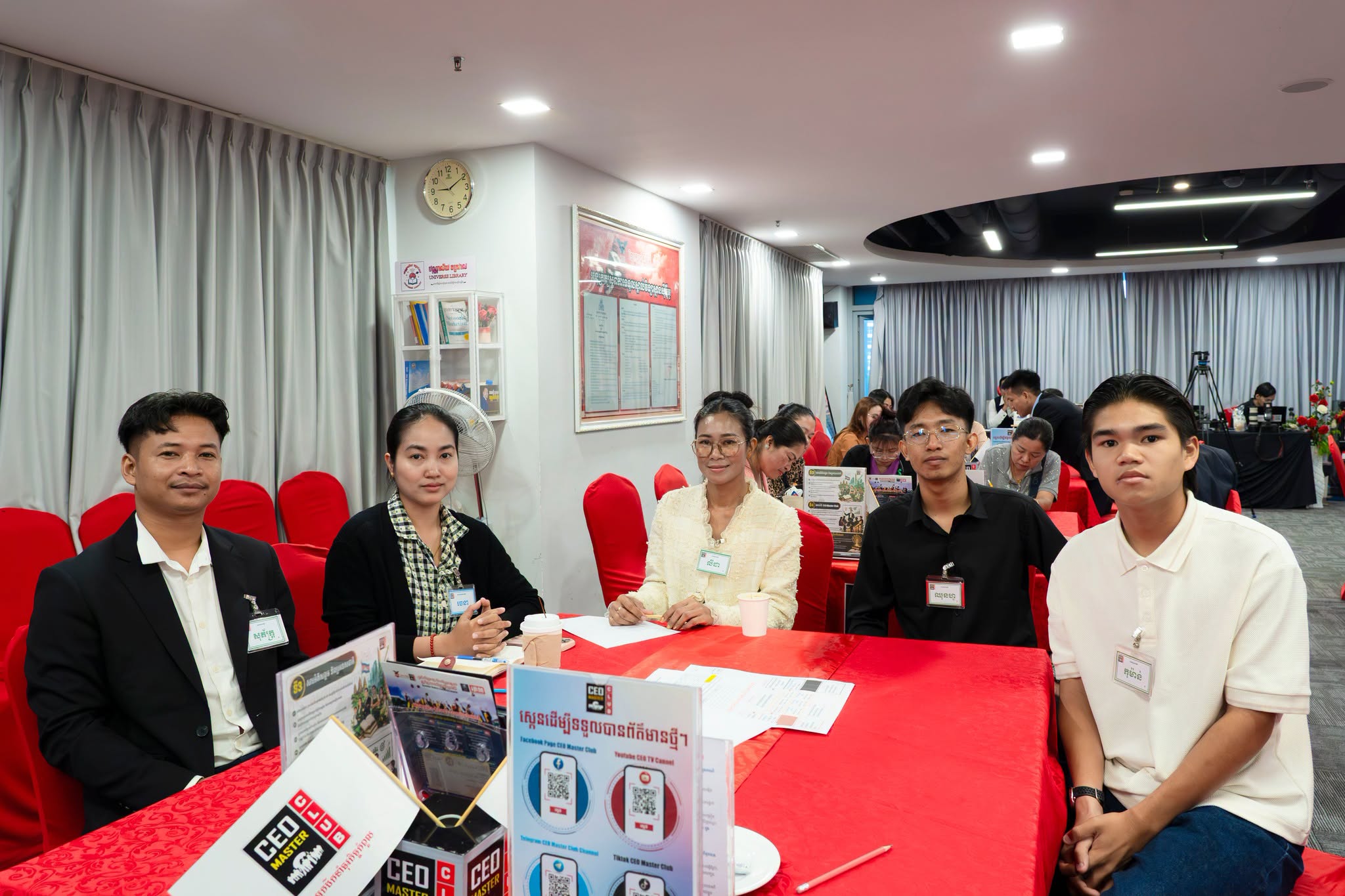
“Once we have understood and absorbed what we learn, we must not forget to put it into practice,” she emphasized.
For Cambodia’s small business owners, this is where training meets daily management. A useful idea earns its value when it changes how an owner responds to a mistake, communicates an expectation, or handles disagreement.
Consider an employee who misses a deadline. Before reacting, a leader can establish what happened: Was the instruction clear? Were the necessary resources available? Did the employee understand the priority? Accountability still matters. So does understanding the situation accurately enough to address it.
The same discipline applies to relationships. Sonita reflected on how people may assume negative intentions that others do not actually hold. She spoke about recognising personal weaknesses, including a tendency to argue, harbour resentment, or think negatively about others.

These reflections have practical relevance in business. When an owner interprets every question as resistance, employees may become reluctant to speak. When misunderstandings remain unexamined, cooperation can suffer. Taking time to listen and check an assumption can create room for a more useful conversation.
Cool leadership, in this sense, involves developing the steadiness to respond thoughtfully while maintaining clear expectations. Courtesy, ethical conduct, dignity, and self-awareness become visible through everyday decisions.
Sonita’s account also carried a personal admission. She described her earlier self as lacking courage, becoming easily agitated, and feeling afraid of public speaking. She associated her growing inner strength with both meditation and her experience of learning about CEO Master Club.
“I feel as though I am waking myself from sleep and becoming a new person, different from the Nita I used to be,” she said.
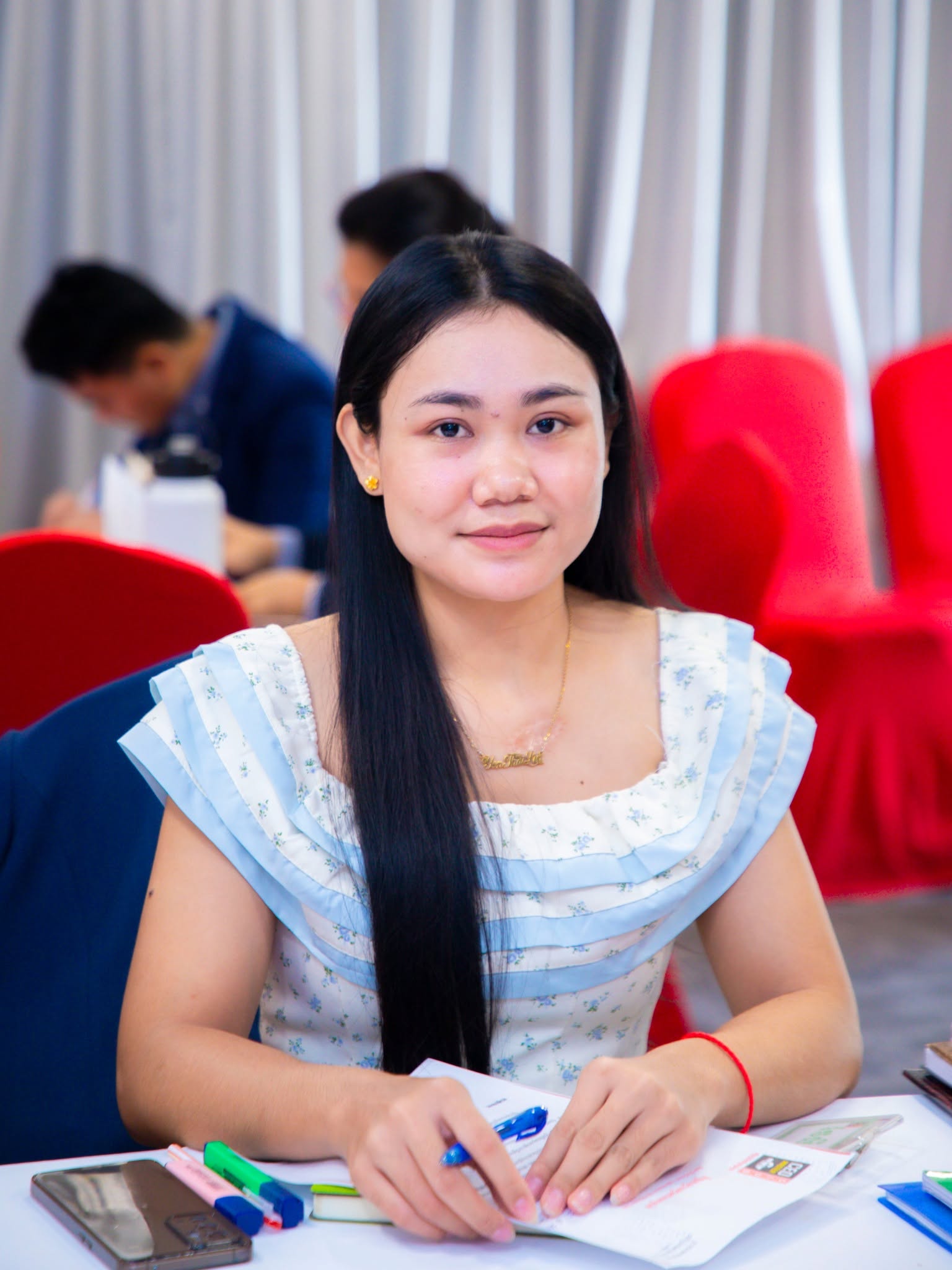
Her words describe a personal experience of change. They also invite a broader reflection: professional responsibility does not remove the need for personal development. A person may hold a respected position and still want to become calmer, more confident, and more effective in communicating with others.
For a business owner, that work can begin with one deliberate practice. Listen fully before answering. Clarify an instruction before expressing frustration. Ask a trusted colleague for honest feedback. Return to a difficult conversation with greater composure.
Such actions make learning observable. Repeated consistently, they can help an owner build more constructive working habits and give a team a clearer example to follow.
Sonita also encouraged people from the arts community to consider learning at CEO Master Club. Her recommendation points to a shared need across professions: the ability to understand ourselves and work better with others.
CEO Master Club of CEO Institute presents its Cool Leadership program as an opportunity to cultivate ethical behaviour, resilience, happiness, dignity, personal presence, a clearer mind, and a deeper understanding of life. For prospective participants, the meaningful question is how those aims can translate into their own conduct at work and at home.
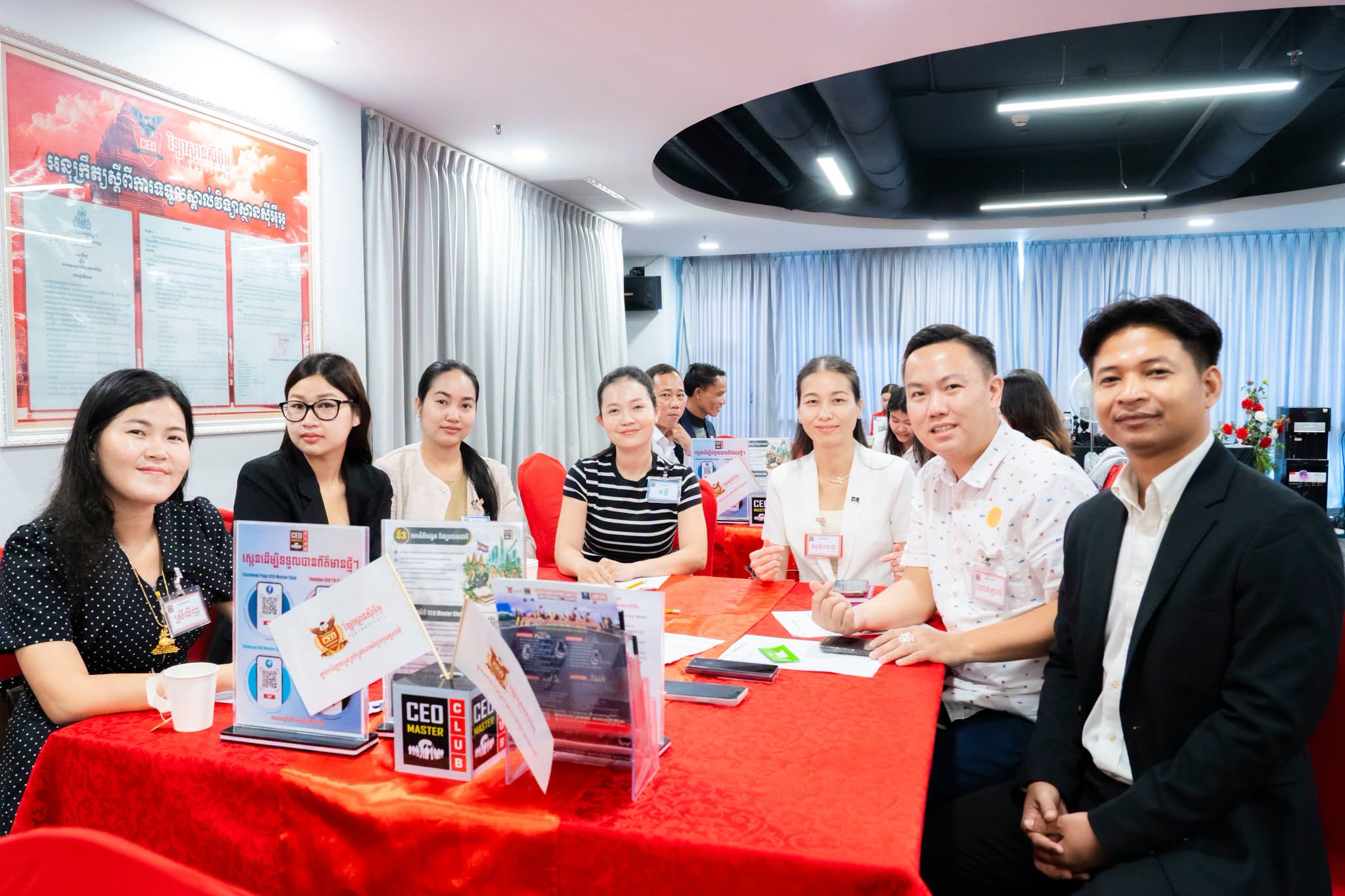
Cambodian entrepreneurs who recognize themselves in Sonita’s reflections can take a practical first step: learn more about the program, explore membership, and consider the leadership habits they most want to strengthen.
A business needs its owner’s time and attention. It also needs the judgment, character, and willingness to learn that the owner brings to every decision.
The next stage of growth may begin with a quiet commitment: to practise becoming the leader your responsibilities require.

Learn more about CEO Master Club of CEO Institute membership and business training.
Contact: 010 386 543 | 061 858 828 | 023 666 6999
🇰🇭 Khmer Must Be Strong
Unity + Standards + Capability
Based on the supplied Khmer testimonial and programme description. Quoted excerpts have been translated and lightly edited for clarity.
អត្ថបទថ្មីៗ